
Introducción
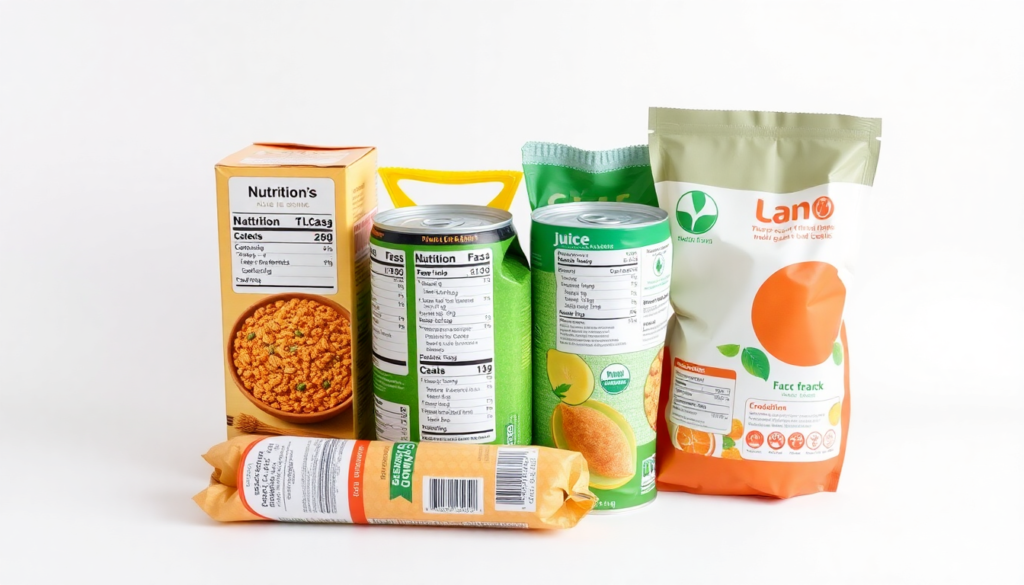
Have you ever wondered how the Food Packaging Regulations affect the food we use every day? food packaging What do we use every day? Food packaging regulations are crucial to guarantee food safety and the quality of the products we consume. In this article, I will explore food packaging regulations in different regions, their impact on the industry, and progress towards sustainability. Join me on this journey to better understand how these regulations affect our daily lives.
Regulation of Food Packaging in the European Union (EU
The European Union is known for its strict food packaging standards. Regulation (EC) 1935/2004 establishes guidelines for materials and objects in contact with food, ensuring that packaging protects products from external agents such as bacteria and dust. This regulation covers everything from manufacturing practices to prohibited substances, ensuring that food packaging materials are safe and effective.
Food Packaging Regulation in the United States (US)
In the US, regulation is carried out by the FDA, which, like the EU, sets rigorous but less restrictive guidelines. One of the notable features is the “Generally Recognized As Secure” (GRAS) designation, which allows for faster approval processes. This approach allows for greater flexibility, helping the industry to innovate quickly without compromising food safety in packaging.
Impact and Consequences of Regulation
Balanced regulation is essential; Too much control can limit industrial growth, while laxity can lead to situations such as the recall of millions of boxes of contaminated cereal in 2010. This balance is crucial to protect both consumer health and economic dynamism. Food packaging regulations must ensure consumer health protection without stifling innovation.
Sustainability in Food Packaging
With the increasing focus on sustainability, the packaging industry faces the challenge of adopting ecological practices. The Sustainable Packaging Coalition, for example, advocates for the use of renewable energy and the reduction of materials. The circular economy and the reduction of plastic packaging are priority goals to move towards a more sustainable future with 100% reusable packaging.
Regulation in Latin America
In Latin America, countries such as Mexico and Chile have implemented strict regulations to combat the public health crisis associated with ultra-processed foods. Standards like the NOM-051 In Mexico they have managed to reduce the consumption of products high in sugar and fat by 25%. These measures, which include warning labels and advertising restrictions, show a regional effort to improve food safety.
Conclusion
The food packaging regulations They are essential not only for consumer safety but also for the sustainable development of the industry. By setting clear standards and encouraging innovation in materials, we can protect our health and move towards a more sustainable future. I invite you to share your opinions on this crucial topic in the comments and continue to educate yourself on how these regulations impact our daily lives and product design.

