
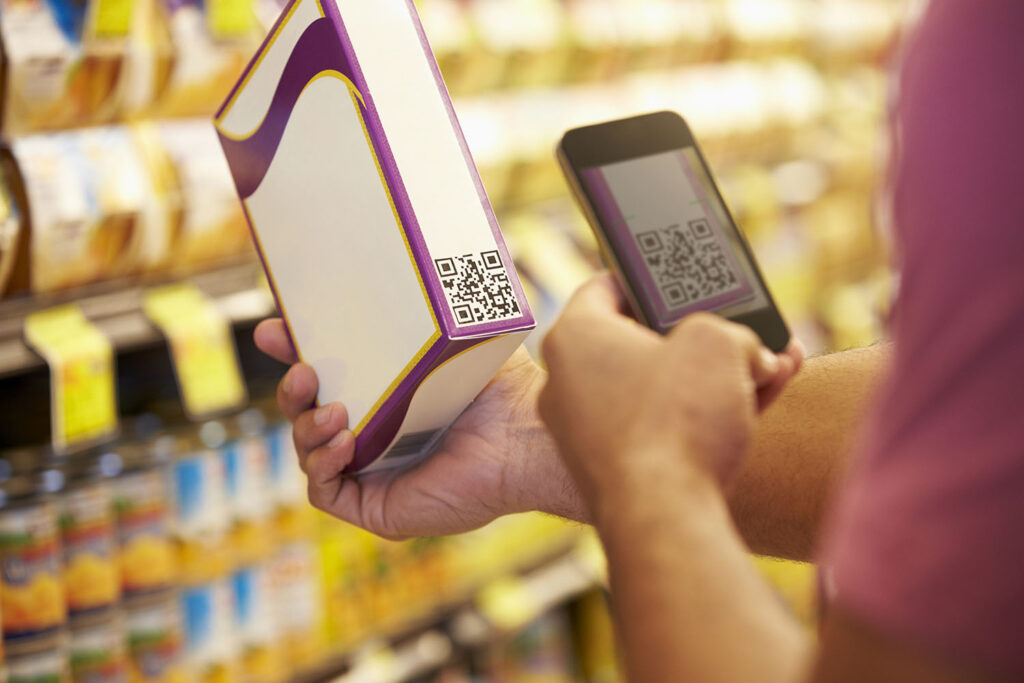
We live in an era where digitalization of packaging is more than just a trendy buzzword—it’s becoming an essential strategy for brands looking to innovate, engage, and streamline operations. But before we dive into all the cutting-edge technologies and exciting possibilities, let’s address the elephant in the room: QR codes.
Yes, you read that right —please stop using QR codes to send consumers to your company’s homepage. It’s like the digital equivalent of a highway billboard saying “Google us”—completely uninspired and frankly, annoying. That is not the digitalization of packaging. Nobody in 2024 wants to whip out their phone to be redirected to your corporate site when they just wanted to know more about the product in front of them. Consumers want something more interactive, engaging, and valuable. If you’re looking to “digitally” enhance your packaging, the first step is to set a clear objective, and, spoiler alert, a QR code isn’t it.
Let’s Talk Real Digitalization
The digitalization of packaging should start with a clear objective. Are you trying to engage with customers in a meaningful way? Gather valuable data? Improve supply chain transparency? Reduce waste? Maybe all of the above? The key is defining what success looks like and aligning your digital packaging strategy accordingly.
Setting the Objective
Let’s say your goal is to increase customer engagement and loyalty. Sounds simple enough, right? But how do you actually do that with a cardboard box or a juice bottle? Enter smart packaging technologies, which go beyond QR codes. NFC (Near Field Communication), RFID (Radio Frequency Identification), AR (Augmented Reality), and even blockchain can turn a standard package into a powerful tool for interaction.
Example: AR-Powered Storytelling
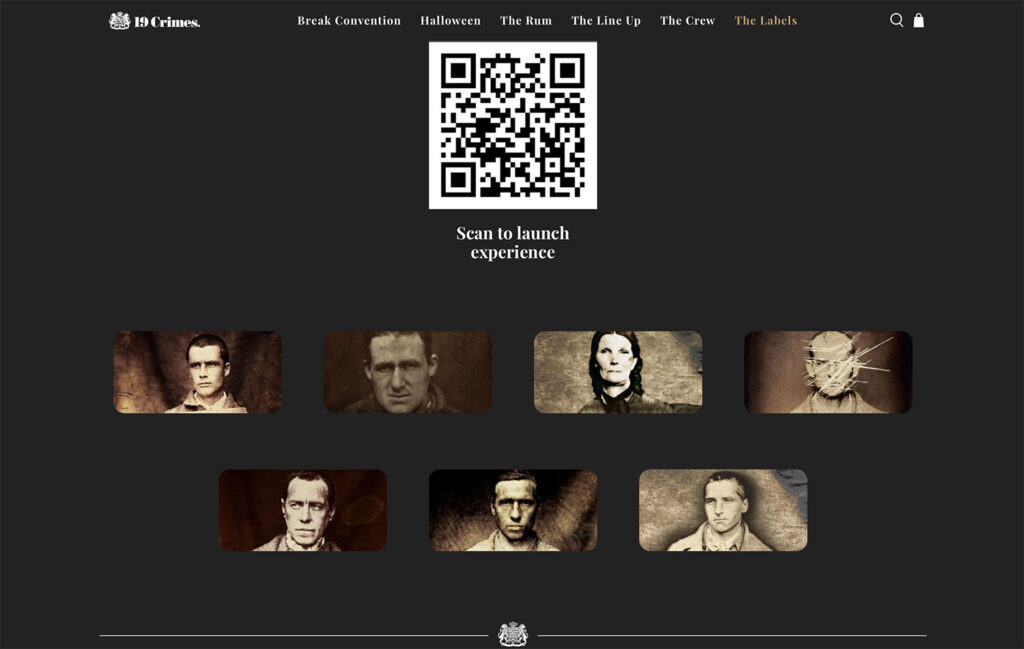
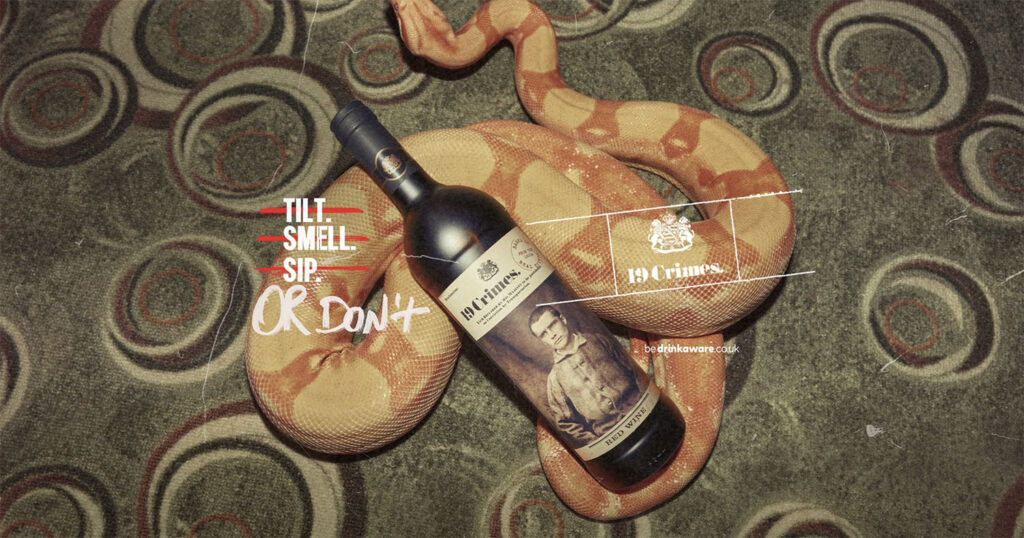
Take a look at a brand like 19 Crimes Wine. They didn’t just slap a QR code on the label and call it a day. They used AR technology to bring their historical characters to life, turning an ordinary wine bottle into a storytelling experience. Consumers could point their phones at the label and watch the characters tell their backstory in an engaging and interactive way. The result? A memorable brand experience that resonated with consumers far beyond the initial purchase.
If you want to know more about 19 Crimes wine, Click here.
Tech Talk: What’s Available Today?
So, what kind of technologies can we use to make packaging genuinely smart and interactive? Let’s break it down:
• NFC and RFID: These technologies allow for proximity-based interactions. For example, tapping your phone on a product could provide you with real-time information about its origin, freshness, or even tailored offers.
• Augmented Reality (AR): AR can create immersive brand experiences by allowing consumers to visualize products, games, or interactive content. Think about a cereal box that turns into a fun, digital playground or a skincare brand that offers virtual tutorials by scanning the packaging.
• Blockchain: Blockchain is becoming increasingly important for industries like food and pharmaceuticals, where supply chain transparency is crucial. Digitalized packaging could allow customers to trace a product’s entire journey from farm to shelf, enhancing trust and loyalty.
• Smart Labels: Packaging with embedded sensors can monitor a product’s condition in real-time, providing both the consumer and the manufacturer with valuable data on freshness, temperature, and even tampering.
Strategy Before Technology
Now that we’ve geeked out over the tech, let’s remember one important fact: the technology itself is not the solution. The solution comes from setting clear goals and developing a strategy to achieve them. Without a solid strategy, even the fanciest tech is just window dressing.
Here’s an example: Suppose you want to reduce waste in your packaging while increasing customer engagement. Your objective is clear. You then create a smart packaging solution with embedded sensors that monitor freshness. When the product reaches a certain age, it triggers a promotion, offering the customer a discount if they return it for recycling. At the same time, your sensors send data back to the company, helping optimize the supply chain and reduce waste in future production.
The strategy here is twofold: incentivize customer behavior and collect valuable data to refine your processes. The technology (smart sensors, data analytics, etc.) is simply the means to achieve that strategy.
Let’s Get Controversial: QR Codes, No More!
If your idea of digital packaging is a QR code sending someone to your website, you’ve missed the point entirely. Digital packaging isn’t just about linking to more content; it’s about creating experiences and solving problems in a smart, intuitive way. A QR code leading to a homepage is the packaging equivalent of a fax machine—it had its moment, but it’s not what the future is about.
Instead, think of packaging as an interactive experience, a tool that builds customer loyalty, gathers data, and promotes sustainability. That’s where digitalization truly shines.
Conclusion: Objective First, Strategy Second, Tech Third
The digitalization of packaging is exciting, but it’s not about jumping on the latest tech bandwagon just for the sake of it. The future belongs to brands that set clear objectives—whether it’s reducing waste, enhancing engagement, or gathering data—and then develop strategies to achieve those goals using the right technology.
So next time you think about slapping a QR code on your packaging, take a deep breath and ask yourself: Is this really advancing my brand’s digital strategy? If not, it’s time to rethink the entire approach.

