

The packaging design is much more than just a container for your product—it’s your brand’s first point of contact with the consumer. A well-designed package has the power to attract attention, tell your story, and drive sales. But behind every successful package is a thorough and strategic process that ensures it hits the mark from both a creative and functional standpoint.
Let’s take an in-depth look at the entire packaging design process, from the initial idea to the final product on the shelf, using the framework from our Carousel Series as a guide.
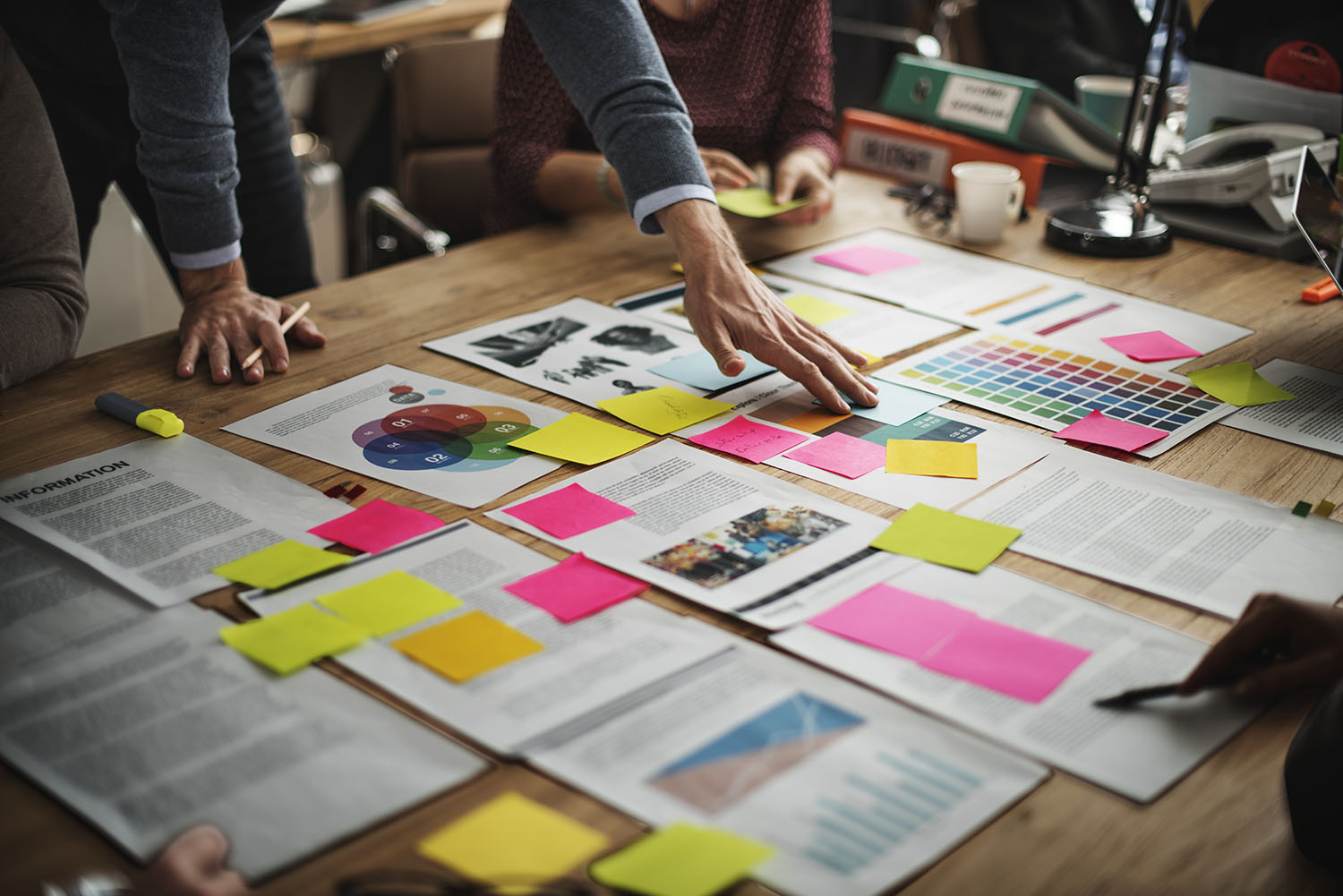
1. Conceptualization: Where Ideas Take Shape
Packaging design begins with conceptualization, the stage where creativity meets strategy. This is where you lay the foundation for your packaging by crafting a vision that aligns with both your brand’s identity and the practical needs of the product.
Key Elements of Conceptualization
• Craft the Vision
Every great design starts with a vision. What is the story your packaging needs to tell? What emotions should it evoke? At this stage, it’s crucial to define the goals of the packaging—whether it’s premium positioning, sustainability, or functionality—and how it will resonate with your target audience.
• Explore Materials, Formats, and Textures
It’s not just about how the packaging looks but also how it feels. Should you use recyclable materials to appeal to eco-conscious consumers? Does the product require specialized formats or unique textures to enhance the unboxing experience? The exploration of materials and formats is where the groundwork for innovation is laid.
• Think Outside the Box (Literally)
The conceptualization phase is also the time to push creative boundaries. Don’t be afraid to experiment with unconventional packaging shapes or interactive features that elevate your product and distinguish it from competitors. The key is to find the balance between creativity and practicality.
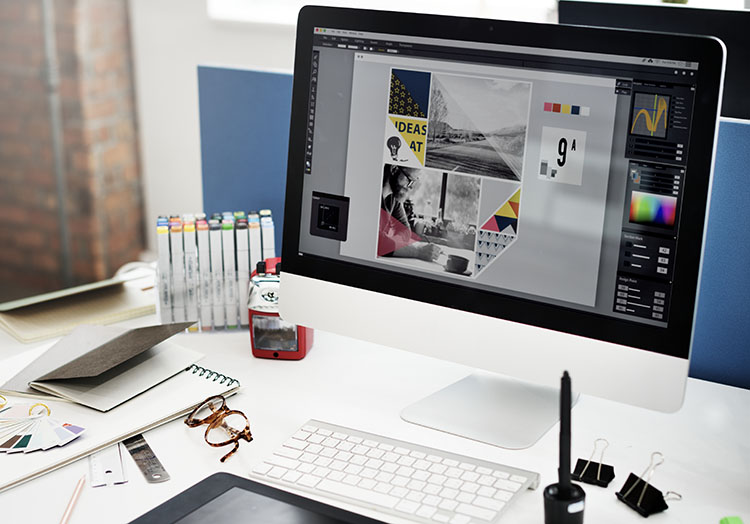
2. Design: Bringing Concepts to Life
Once the concept has been established, it’s time to transform these ideas into concrete visuals. The design stage is where artistry and strategy combine to create a package that not only looks good but also communicates your brand’s message clearly and effectively.
Key Elements of Design
• Colours, Fonts, and Images Tell Your Brand’s Story
Every design element—whether it’s the color palette, typography, or imagery—must align with your brand’s personality and objectives. For instance, a luxury product might use rich, bold colors and elegant fonts, while a fun and quirky brand might opt for bright colors and playful fonts. These design choices play a key role in how consumers perceive your product.
• Create Shelf Impact
Your package needs to do more than just sit on the shelf—it needs to stand out. This is where strategic design comes into play. From bold color contrasts to eye-catching logos, every element should work towards making your product grab attention in a crowded retail space.
• Design for Practicality
A visually appealing package is important, but it also needs to be functional. The design should take into account factors like ease of use, storage, and transport. Packaging that’s too complicated or impractical can deter customers, no matter how attractive it may be.
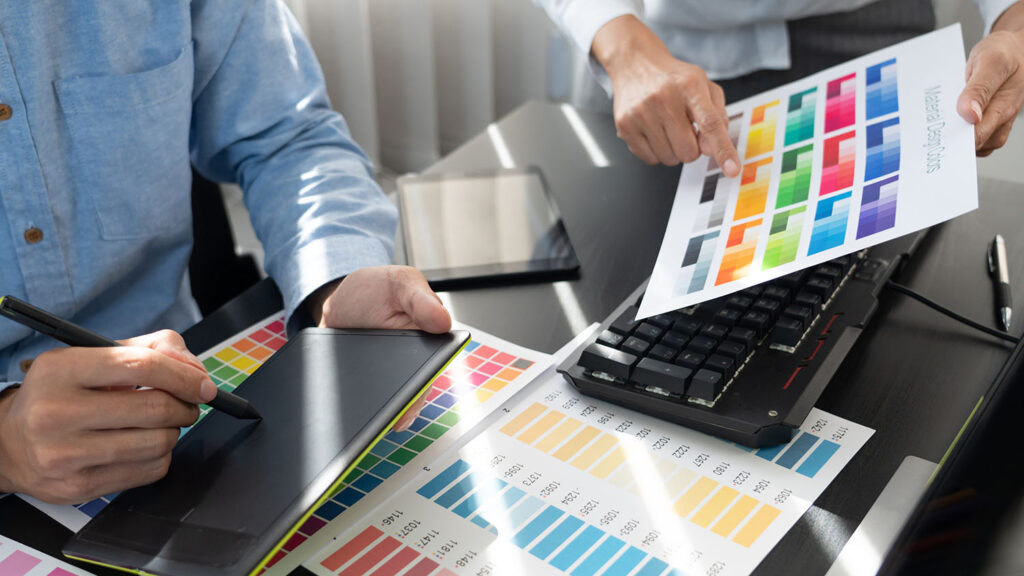
3. Artwork & Prepress: From Digital to Physical
At this stage, your design is ready to be translated into a tangible product, arte final y la preimpresiónbut before it can go to print, the artwork needs to be prepared meticulously for production.
Key Elements of Artwork & Prepress
• Precision is Key
Artwork and prepress ensure that every design detail translates seamlessly into the final printed product. This includes making sure that the colors are accurate, the imagery is crisp, and the dimensions are spot on. Missteps here can result in costly errors during production.
• Ready for Flawless Printing
At this point, designers work closely with printers to ensure that the files are print-ready. This means checking things like resolution, color modes, and file formats, so that the final product matches the original vision as closely as possible.
4. Production: Where It All Comes Together
Now we’re at the stage where all the hard work comes to life —production. This is where the packaging goes from concept to reality, with the goal of producing high-quality prints that faithfully represent the design.
Key Elements of Production
• High-Quality Prints
Production is not just about printing—it’s about printing with precision and quality. Choosing the right printing techniques, materials, and finishes (such as gloss varnish, matte effects, or embossing) can elevate your packaging and make it pop on the shelf.
• Packaging That Stands Out and Delivers Results The final product needs to deliver on the promise of your brand. Whether it’s luxury or affordability, sustainability or convenience, your packaging needs to reflect and reinforce your brand’s values while creating the desired impact in the marketplace.

5. Measure & Refine: The Journey Doesn’t End Here
Once your product is on the shelves, the process doesn’t stop. Measure & Refine is the final phase, where you analyze the performance of your packaging and make adjustments as needed for continuous improvement.
Key Elements of Measure & Refine
• Measure and Analyse
How is your packaging performing in the real world? Is it grabbing attention? Is it driving sales? Analyzing consumer feedback, conducting in-store audits, and reviewing sales data can provide insights into what’s working and what isn’t.
• Refine for Lasting Success
If your packaging isn’t performing as expected, it’s time to refine. Whether it’s a design tweak, a material change, or an adjustment to the messaging, continuous improvement is key to staying competitive. Your packaging is a living asset—by evolving and adapting, you can ensure that it continues to drive success.
Final Thoughts: Packaging Is Your Brand’s Voice on the Shelf
The entire packaging design process The packaging design process is more than just a series of steps—it’s a journey that can shape your brand’s success. From the first sketch to the final product on the shelf, every stage plays a crucial role in creating packaging that not only attracts attention but also delivers results.
Remember, your packaging is your brand’s voice on the shelf. It’s what speaks to consumers and convinces them to choose your product over the competition. So make every step count, and don’t be afraid to innovate, refine, and evolve as you go.
In the world packaging designof packaging design, there’s always room for improvement—and that’s where the magic happens.
I want to know more about packaging.

