
In today’s saturated market, having a good product is not enough. You could have the most innovative and highest-quality product out there, but if no one knows about it—or worse, if no one cares—you won’t see the sales you deserve. This is where storytelling comes into play. storytelling in packaging.
The products that win aren't always the best. They're the ones that tell the best stories.
A great product needs a storytelling in packaging that resonates with consumers on an emotional level, builds trust, and distinguishes your brand from the competition. Let's look at why increasing sales isn't just about the product, it's about the story you tell through your packaging.
Why Storytelling in Packaging Matters More Than Ever
We live in an era of information overload. Consumers are bombarded with marketing messages 24 hours a day. From social media to in-store experiences, brands are in constant competition for attention. Here’s the reality: people are tuning out.
So how do you stand out in the midst of this noise? The answer lies in the storytelling in packagingTelling a compelling story through your packaging design creates emotional connections and gives meaning to your product, which goes beyond a simple transaction.

Stories Engage Emotions, Not Just Logic
Consumers think they make decisions based on logic, but in reality, emotions drive purchases. Whether it's the sense of belonging a brand generates or the nostalgia evoked by a product, people buy based on what they feel.
When you integrate the storytelling in packaging, you tap into those emotional factors. You’re not just selling a pair of shoes, you’re selling a lifestyle. You’re not selling skincare products, you’re selling confidence. The emotional narrative you tell through your packaging helps customers relate to your brand and, most importantly, remember it.
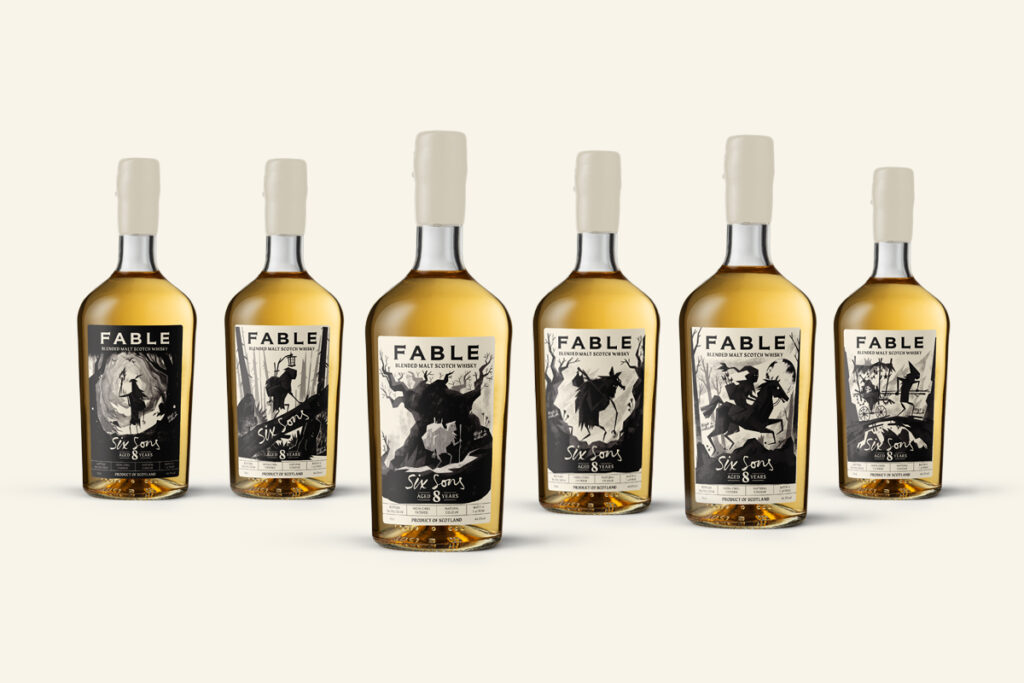
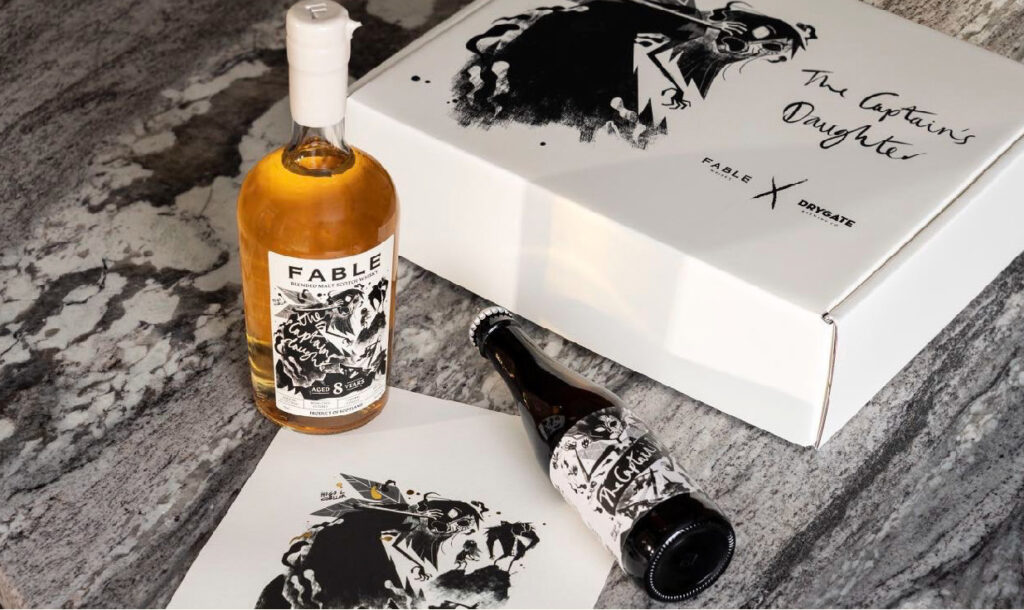
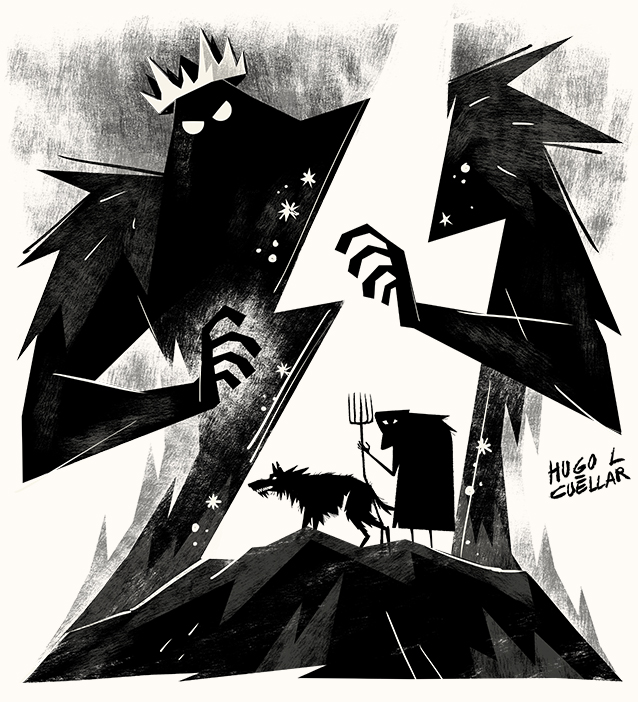
See the full story at: https://worldbranddesign.com/crafting-mythology-packaging-design-for-fable-whiskys-the-six-sons/
How the Right Storytelling in Your Packaging Can Boost Sales
Here's the secret: the better your storytelling in packaging, the better your sales will be. But it's not just about telling any story, it's about telling the right story to the right audience. Knowing your audience deeply is key to creating a narrative that reflects their values, dreams and challenges.
1. Make Your Product the Hero of the Story
Every great story has a hero, and in this case, that hero should be your product. However, the hero doesn't start out perfect. Just like in any epic story, the hero must embark on a journey. That journey will take your customer from problem to solution, all told through the lens of packaging.
For example, if you sell eco-friendly cleaning products, the journey could focus on how your product helps people make small sustainable choices that contribute to a healthier planet. storytelling in packaging will show your product as a solution to a larger emotional problem that matters to your audience.
2. Connect with Your Customers' Values
The best stories are the ones that align with your audience's values. Today's consumers want to support brands that stand for something: sustainability, inclusion, or innovation. storytelling in packaging It's not just about what your product does, it's about what it stands for.
If your brand values align with those of your audience, you've already created a strong connection. People are more likely to buy from brands that they feel share their worldview. Your story should authentically reflect these values, whether through the language in the story or the way you write. packaging, the visuals you use or the materials you choose.
3. Show, Don't Tell
Here is the golden rule of storytelling in packaging: Show, don't tell. Consumers don't just want to hear that your product is great; they want to see how it improves lives, solves problems or brings joy.
One of the best ways to do this is through testimonials or stories from real customers who have used your product. These accounts add credibility and help potential customers see themselves reflected in the narrative. Whether it’s a success story or an honest opinion, real experiences make your story more powerful.
Turning Packaging into a Storytelling Tool
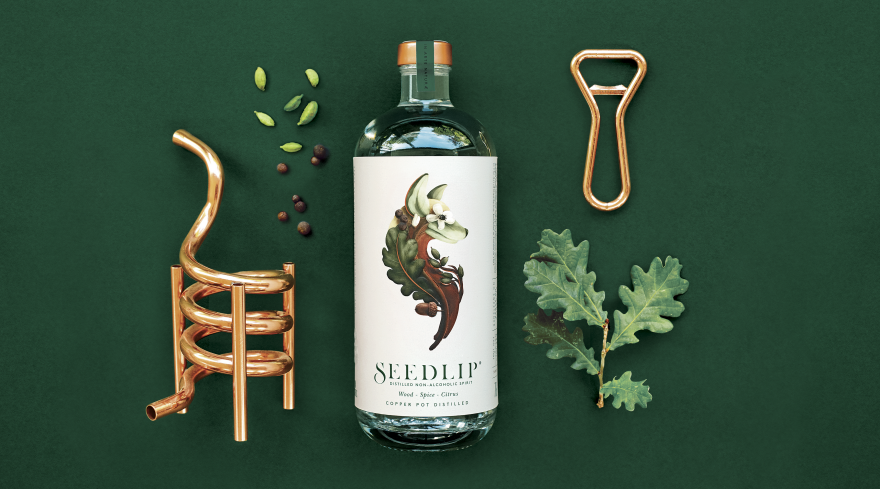
The storytelling in packaging It’s not just about words or videos, but about the entire brand experience, starting with the packaging. Packaging is often the first interaction a customer has with your product, and it can tell a story just as powerful as an ad or social media campaign.
Packaging as the First Line of Your Story
Your packaging should be the first line of your brand story. It should be visually appealing, but also communicate a deeper narrative about what your brand stands for. Whether through clever copy, a unique unboxing experience, or the use of sustainable materials that reflect your values, storytelling in packaging should immediately speak to who you are and why your product is important.
For example, if your brand is based on sustainability, using packaging Recyclable or biodegradable is not only a practical choice, it is a tool for storytelling that shows customers your commitment to the environment.
Consistency Across All Touchpoints
The story you tell through your packaging It should be consistent with what you tell across other touchpoints: social media, your website, in-store experiences, etc. Customers should feel like they are experiencing the same story no matter how they interact with your brand. Consistency builds trust, and trust drives sales.
Storytelling in the Digital Age: Amplify Your Message
Today more than ever, you have a multitude of platforms where you can tell your brand story: social media, blogs, videos, collaborations with influencers, and more. The digital age offers multiple opportunities to share your brand story. storytelling in packaging and connect directly with your audience.
Social Media: Where Stories Get Personal
Social media is the perfect place to make your brand story personal and interactive. You can connect directly with your audience, share behind-the-scenes content, and tell your brand’s ongoing story in real time. Instagram Stories, TikToks, and LinkedIn posts can bring your audience along on your journey and make them feel like they’re part of the narrative.
User Generated Content: Let Your Customers Tell the Story
One of the most effective ways to amplify your storytelling in packaging is through user-generated content. Encourage your customers to share their own experiences with your product. This not only provides authentic content, but also helps build a community around your brand.

