

In today's fast-paced market, the packaging process In today's fast-paced marketplace, the packaging process is crucial to getting your products to consumers efficiently. However, many packaging process, leading to delays and lost sales opportunities. To thrive in a competitive environment, it is essential simplify the packaging process without sacrificing quality. This article will explore practical strategies that will help you improve efficiency, reduce costs, and increase sales through a packaging process optimized.
Why It Is Important to Simplify the Packaging Process
A packaging process optimized is vital for any brand looking to improve its market presence. The speed with which a product reaches consumers can make all the difference. Simplifying the packaging process allows brands to quickly adapt to market demands, optimize their time to market and ultimately increase sales.
Simplifying doesn't mean compromising creativity. Rather, it's about eliminating unnecessary steps that slow down production while maintaining high-quality packaging. Here's how to do it:
1. Reduce Design Complexity
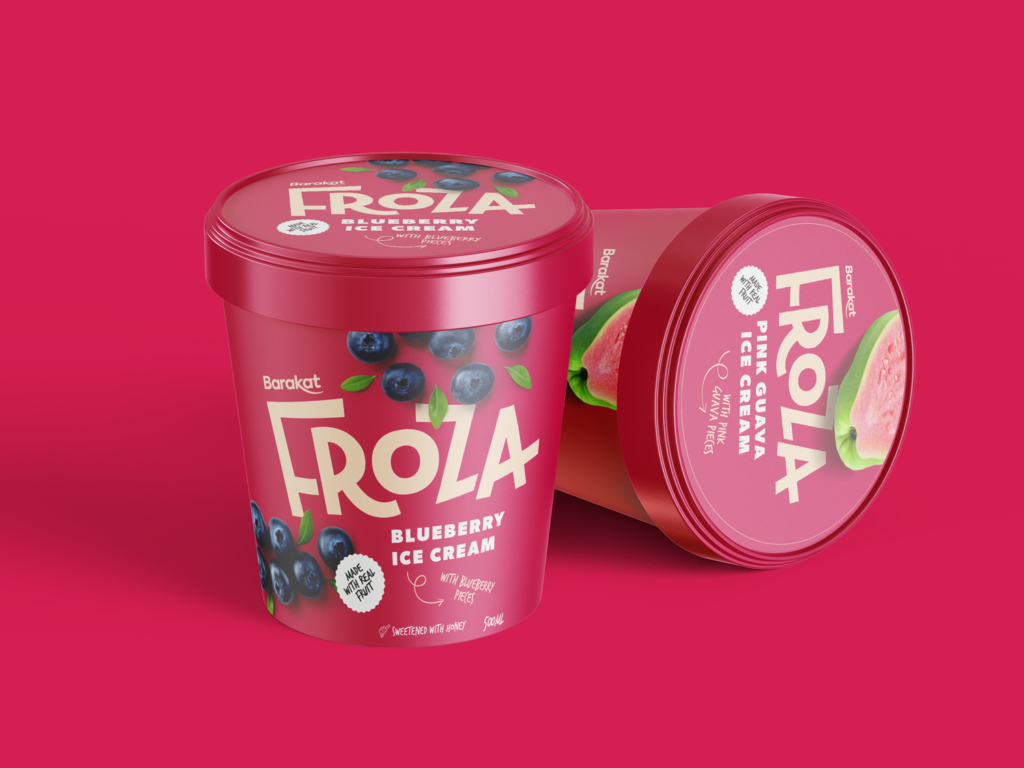
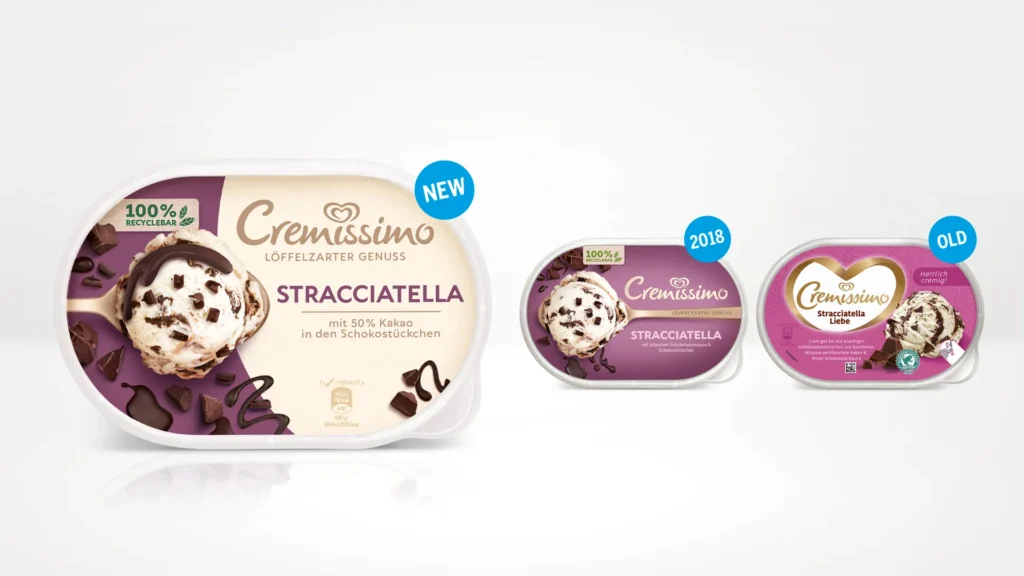
A design of packaging Overly elaborate packaging can delay production, which directly impacts time to market. By simplifying the design, you can reduce approval and production times, while maintaining the visual effectiveness of the packaging.
Tips for a simple design:
• Eliminate unnecessary visual elements that do not add value to the consumer.
• Opt for a minimalist approach in your packaging that highlights the essential: striking colors and clear fonts.
• Ask yourself if each element of the packaging It is essential for your brand communication.
A design of packaging Minimalist not only streamlines production, but is also highly appealing to consumers who value clarity and simplicity in their purchasing decisions.
2. Involve the Production Team from the Beginning
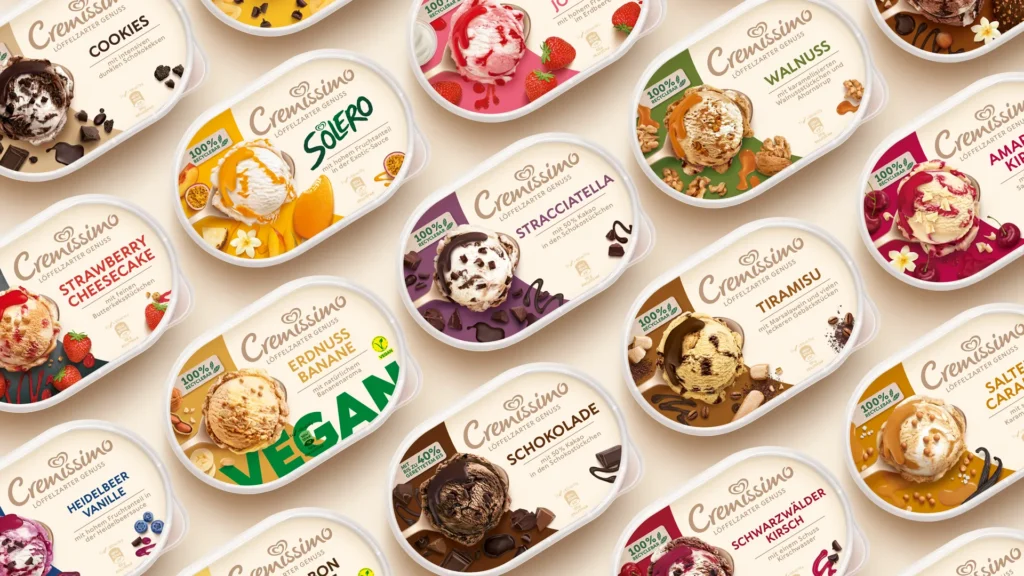
One of the most common causes of packaging delays is a disconnect between the design and production teams. Designers can create beautiful, visually stunning concepts, but if these aren’t viable for production, the result is a cascade of redesigns and revisions that can add weeks to the schedule.
Involving the production team from the start ensures that both teams are aligned and can work together to create a design that is not only attractive, but also practically feasible.
Benefits of early collaboration:
• Fewer redesigns and revisions as production challenges are addressed up front.
• A faster approval process with less friction between design and production.
3. Choose Easy-to-Find Materials
Materials play a critical role in creating effective packaging. While custom or exotic materials may seem like an interesting option, they often add unnecessary complexity. These materials often require longer lead times, which can cause significant delays in the process.
Opting for readily available, sustainable and easy-to-handle materials can speed up production and reduce costs. Additionally, by choosing environmentally friendly materials, you can improve your brand perception among environmentally conscious consumers.
Key considerations for choosing materials:
• Is the material easily accessible?
• Is it cost effective and within the project budget?
• Is it consistent with the brand’s values and sustainability commitments?

4. Optimize Approval Flows
The approval stage in the packaging process often leads to bottlenecks. Too many decision makers and unclear feedback loops can significantly delay deadlines.
Strategies to improve the approval process:
• Limit the number of stakeholders in key decisions.
• Establish clear guidelines and deadlines for each stage of approval.
• Encourage specific feedback to speed up reviews.
By streamlining your approval workflow, you can reduce unnecessary delays in your packaging process, allowing for faster time to market.
5. Take advantage of automation tools
Incorporate automation into your packaging process can greatly improve efficiency. Automation can help manage repetitive tasks, allowing your team to focus on more strategic elements of packaging.
Advantages of automation in packaging:
• Project management tools like Asana or Trello make collaboration easy.
• Templates for recurring designs streamline workflow.
• Version control reduces confusion and ensures consistency.
Implement automation in your packaging process can significantly reduce production times and human errors.
6. Use Prototypes for Faster Decisions
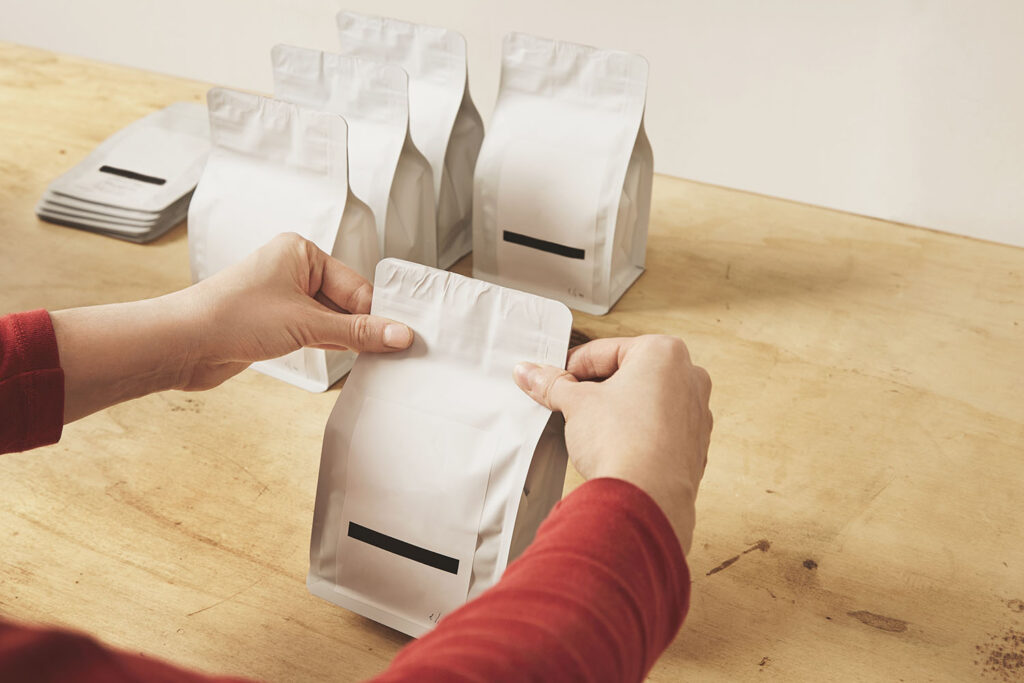
Use prototypes from the beginning in the packaging process It allows for quick identification of design flaws or functionality issues. It acts as a tangible representation of your product packaging, facilitating faster feedback.
Benefits of prototypes:
• They allow informed design decisions to be made quickly.
• They help detect production challenges before starting large-scale production.
• They encourage collaboration between design and production teams.
Using prototypes effectively can improve the efficiency of your packaging process and lead to more successful product launches.
Conclusion: Simplicity is Success
In conclusion, optimize the packaging process is essential for brands looking to accelerate their product launches and increase sales. By taking a streamlined approach—eliminating unnecessary complexities, fostering cross-team collaboration, choosing accessible materials, streamlining approval flows, leveraging automation, and using prototypes—you can improve the efficiency of your packaging process.
Ready to transform your packaging process and take your brand success to the next level? Our design agency specializes in creating impactful packaging solutions that resonate with consumers and streamline production. Contact us today to boost your sales through a simplified packaging process! Ready to transform your

